Publicsfear
Published by Publicsfear Press Ltd (1992–94). Format: Saddle-stitched art zine, 8.5 x 11 inches; 3 issues.
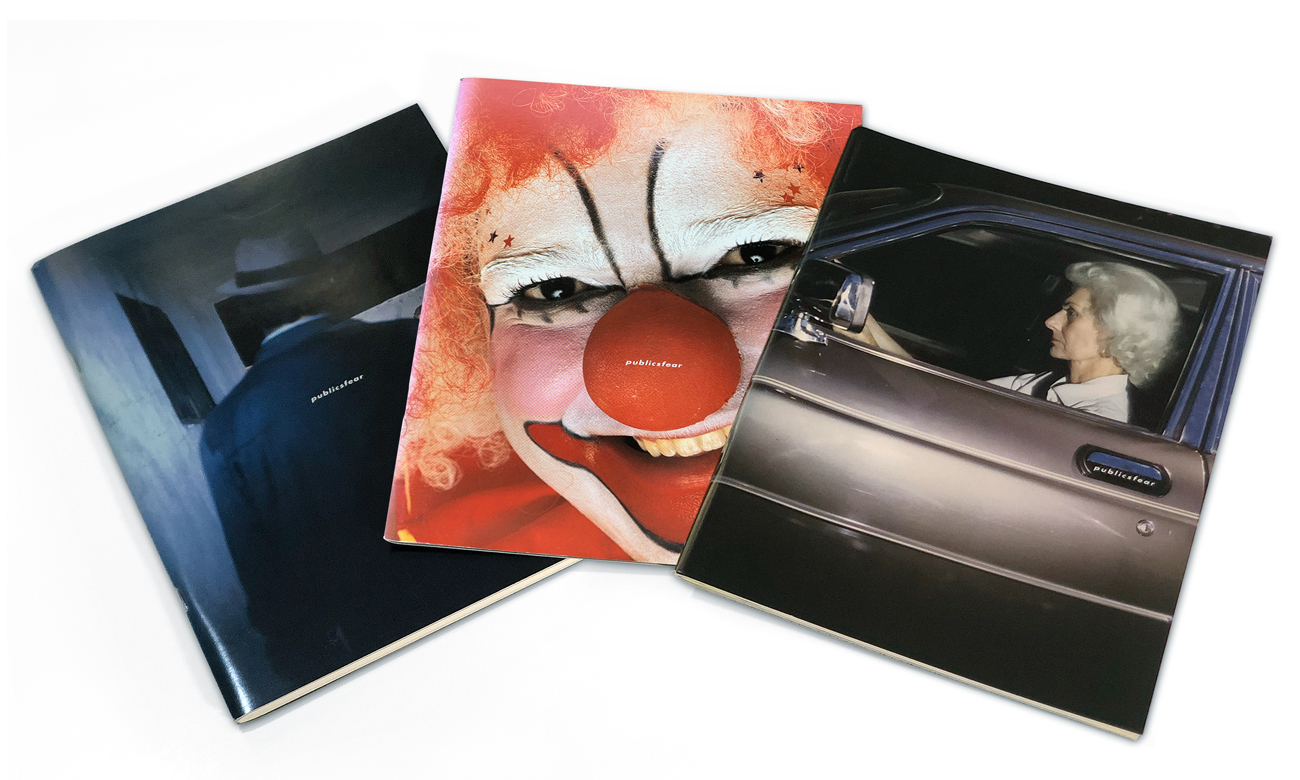
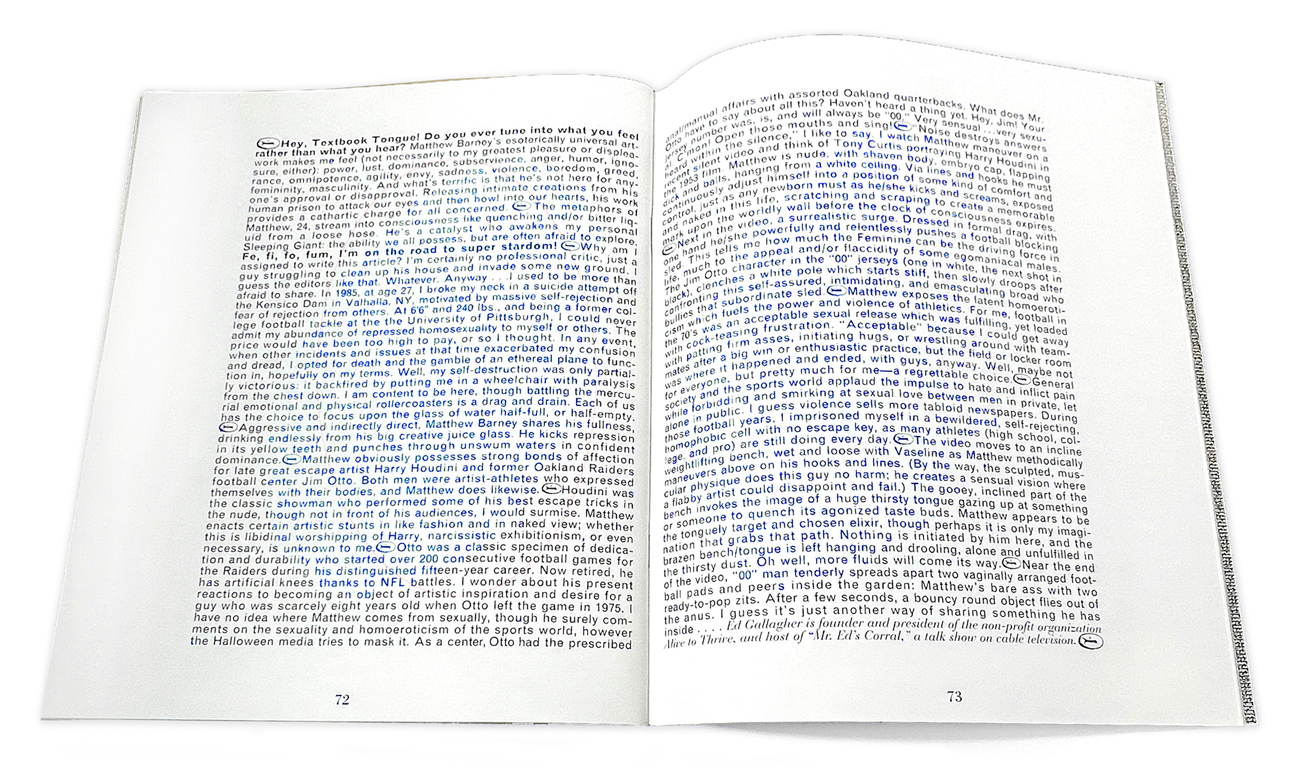
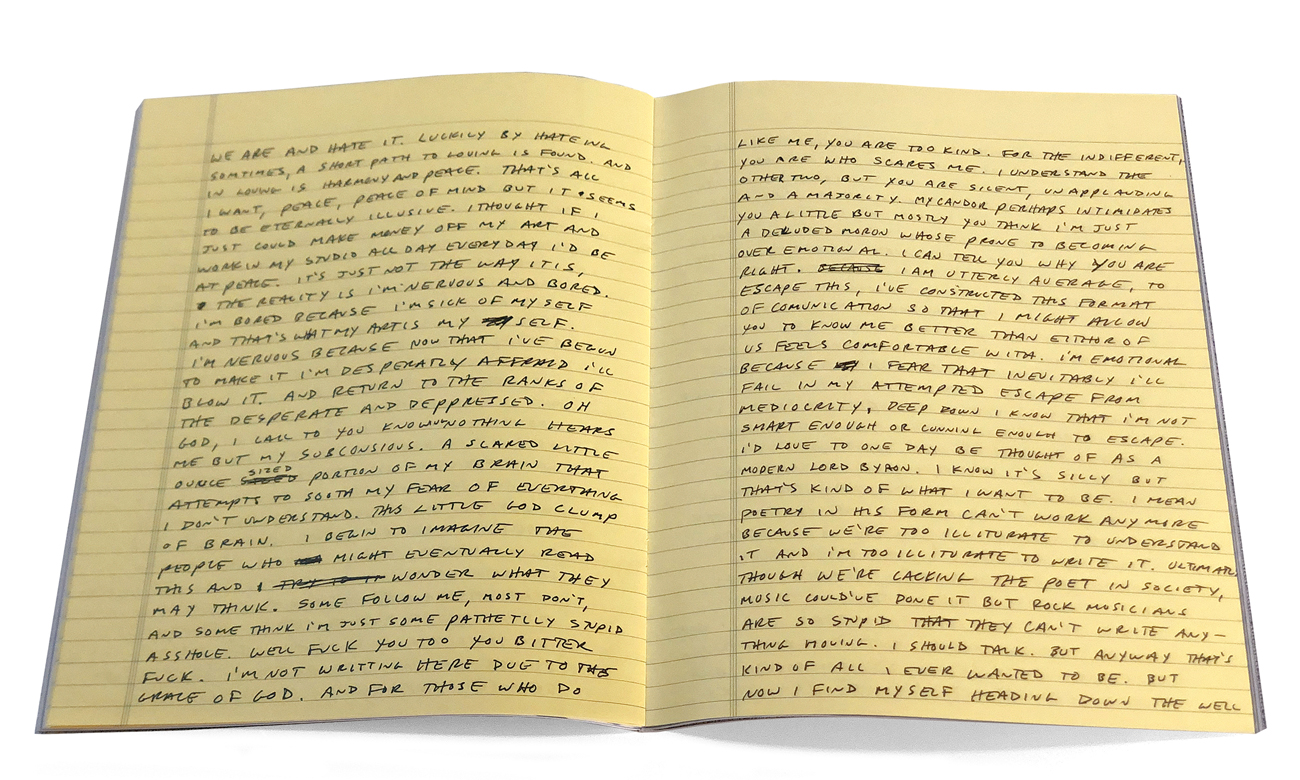
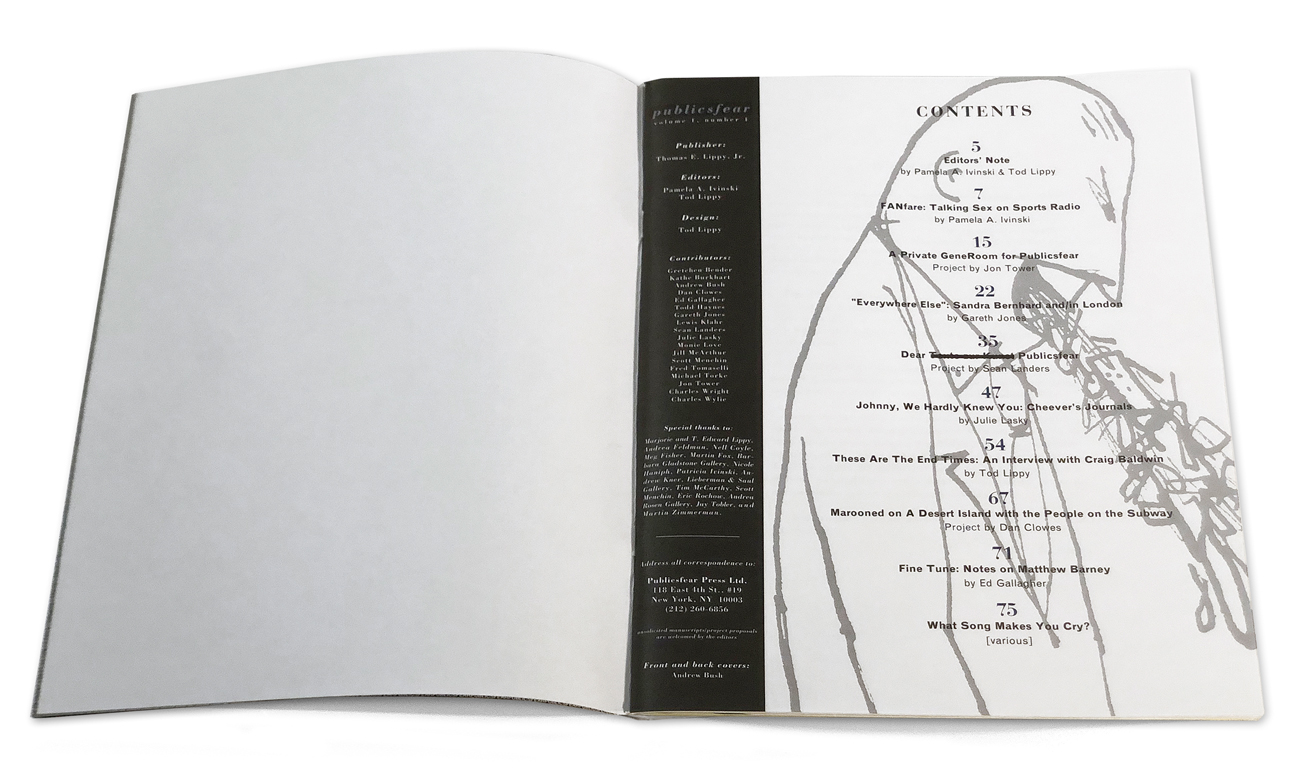
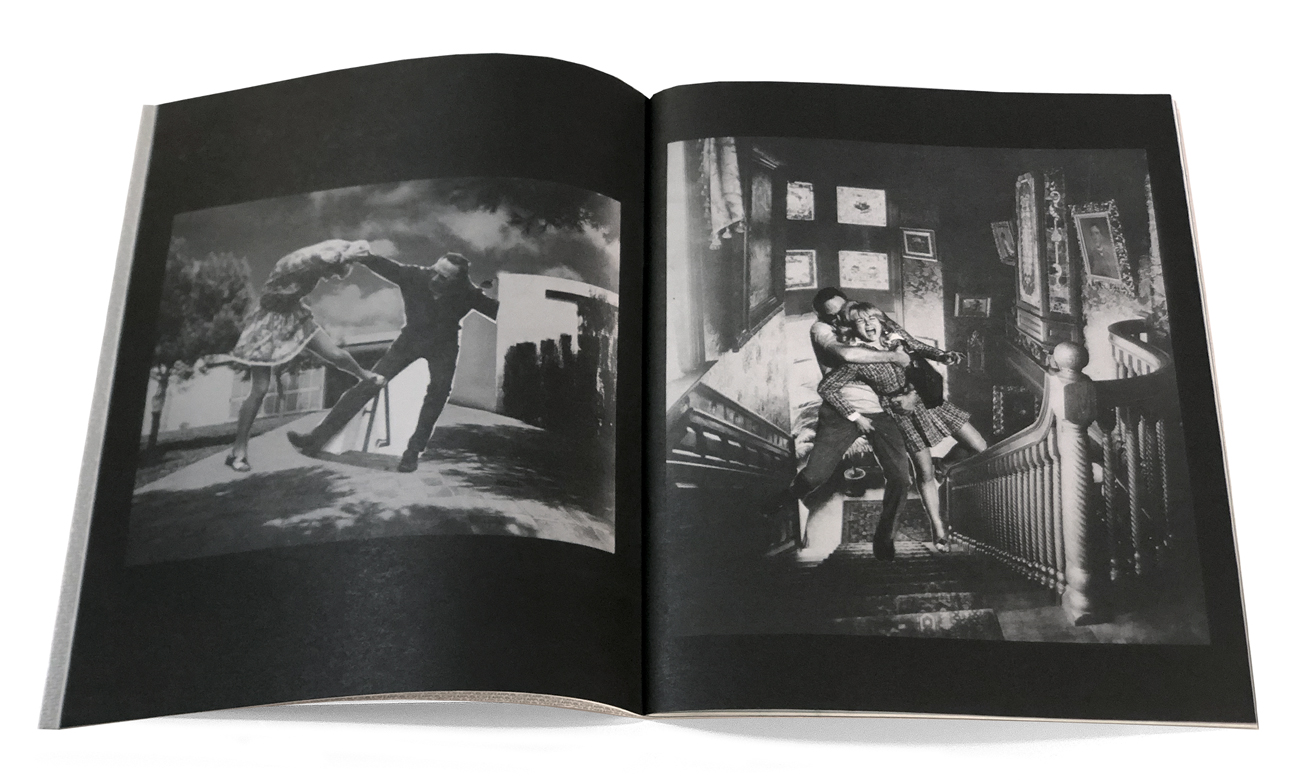
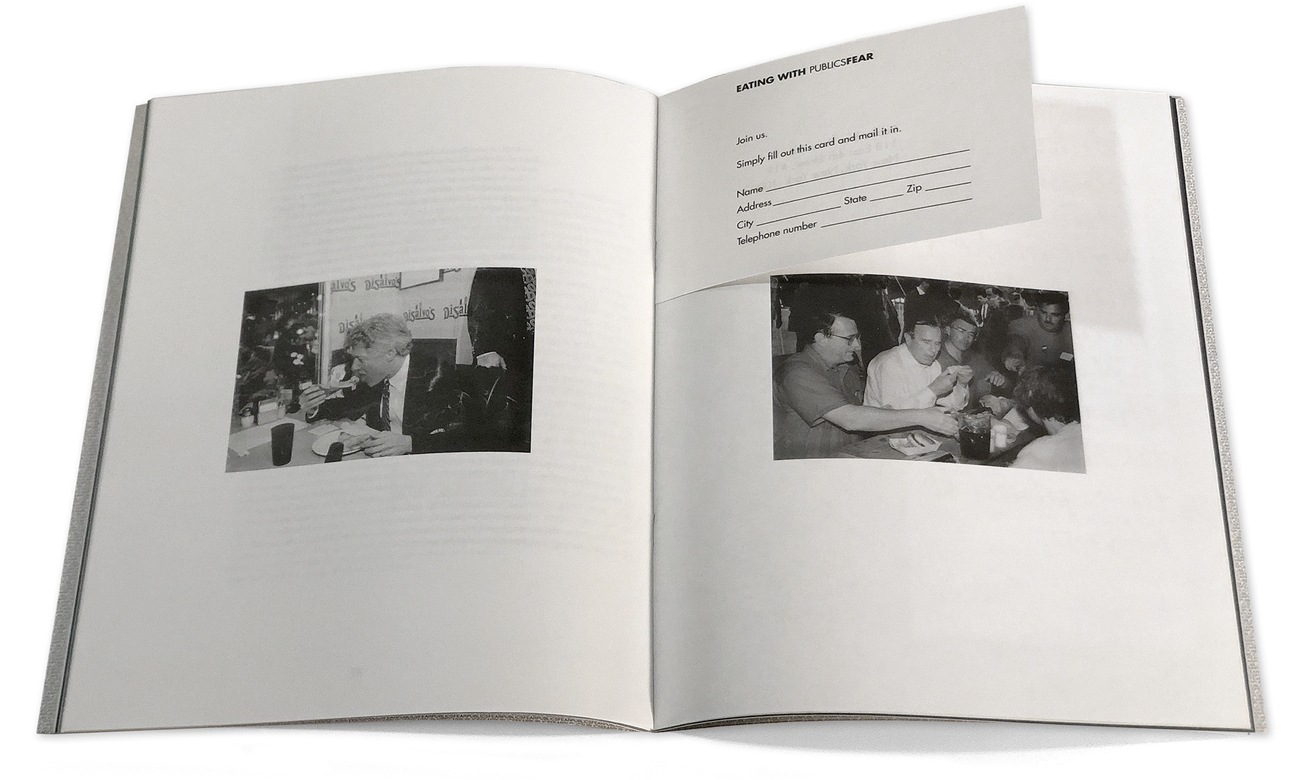
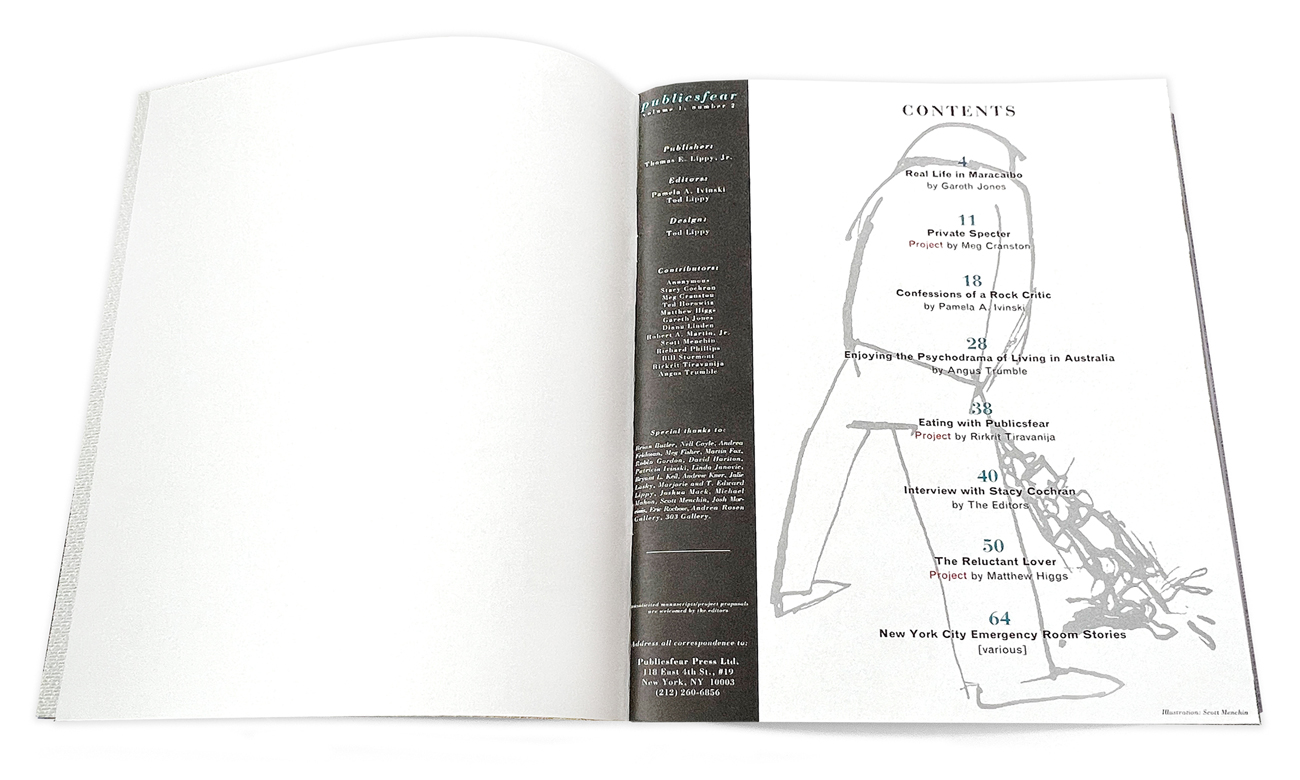
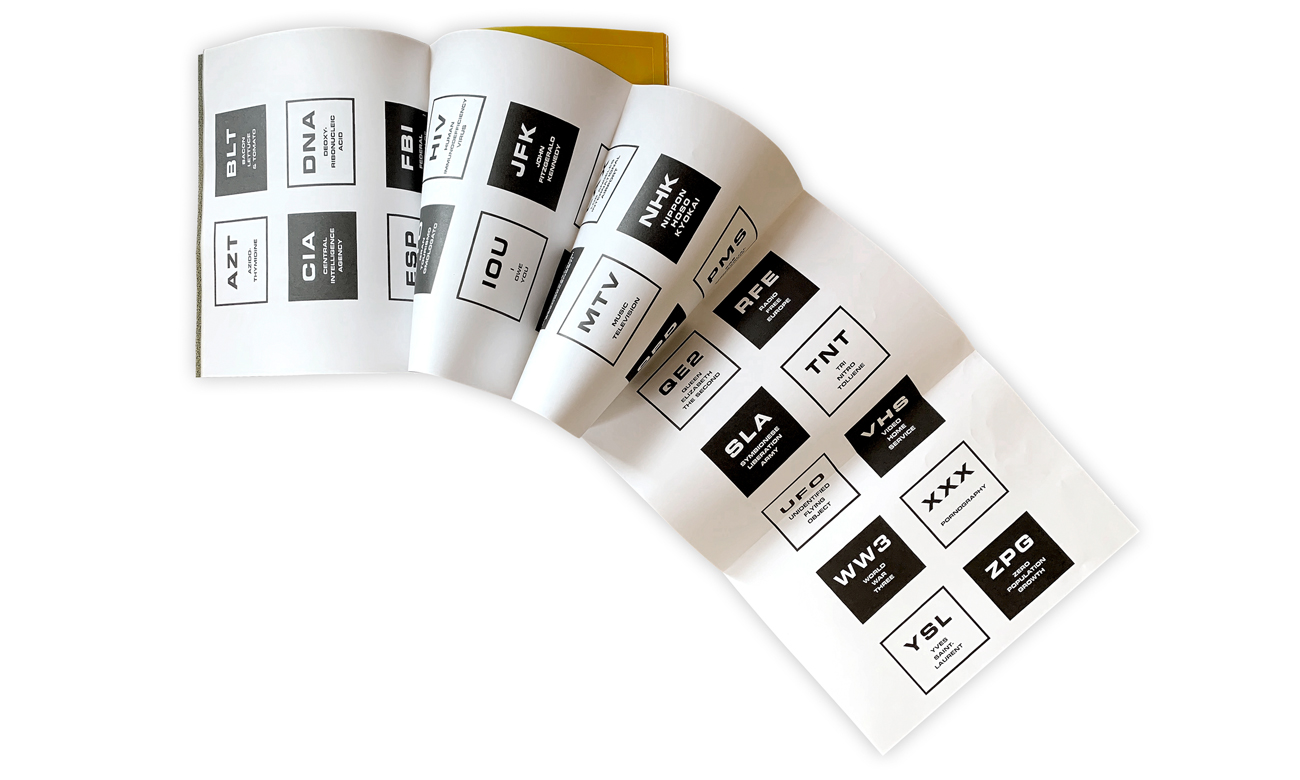
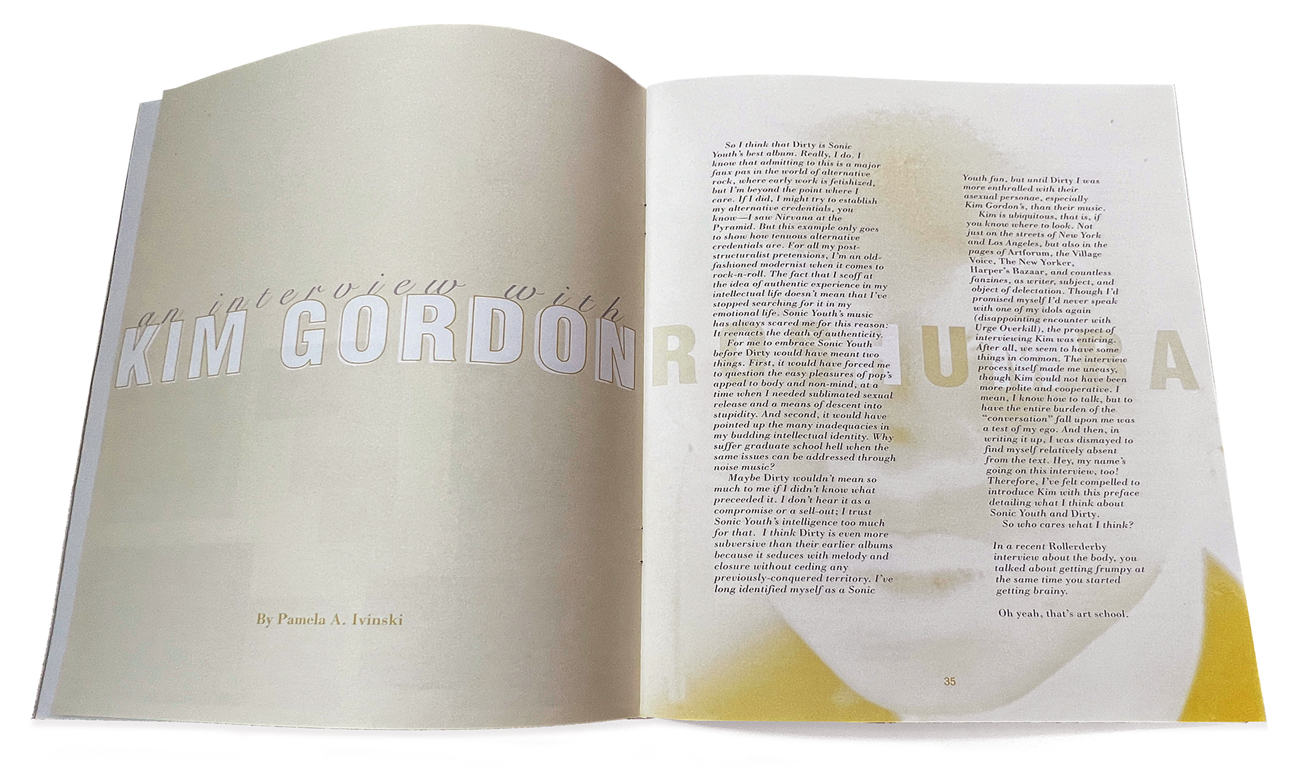
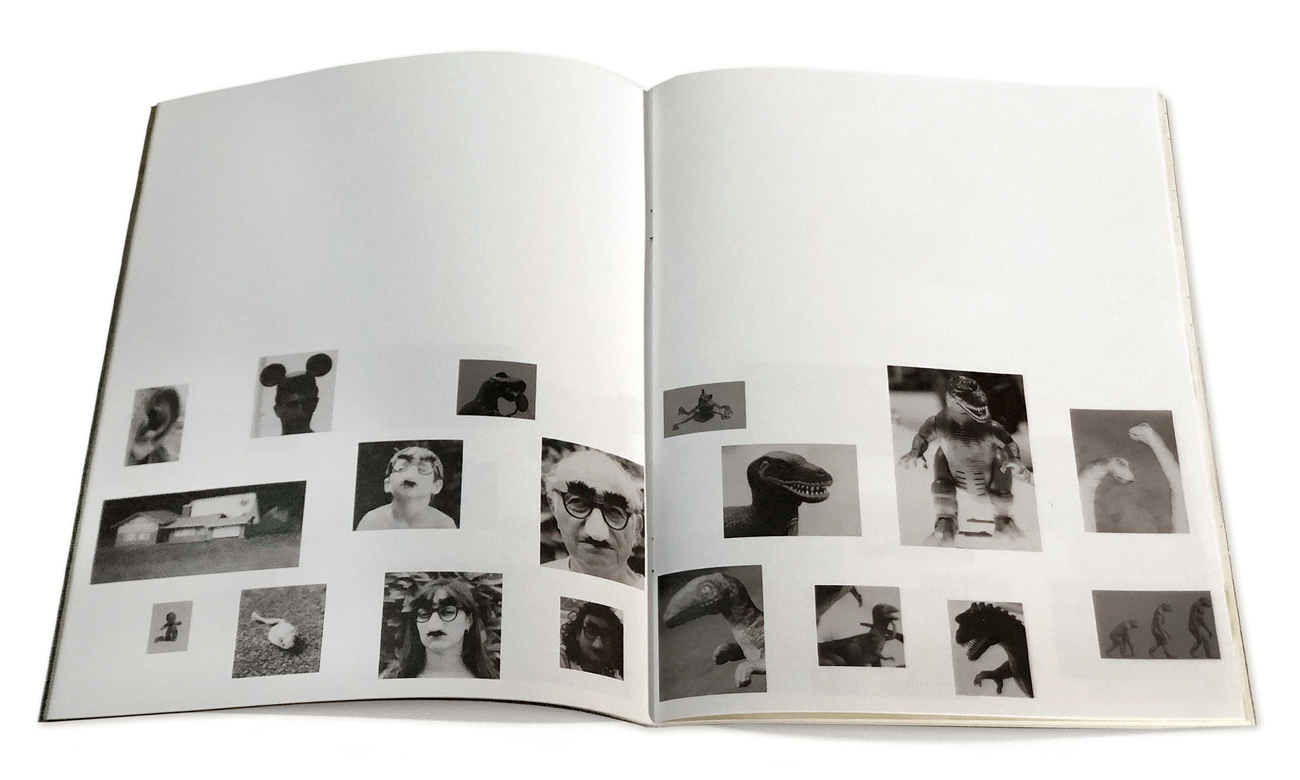
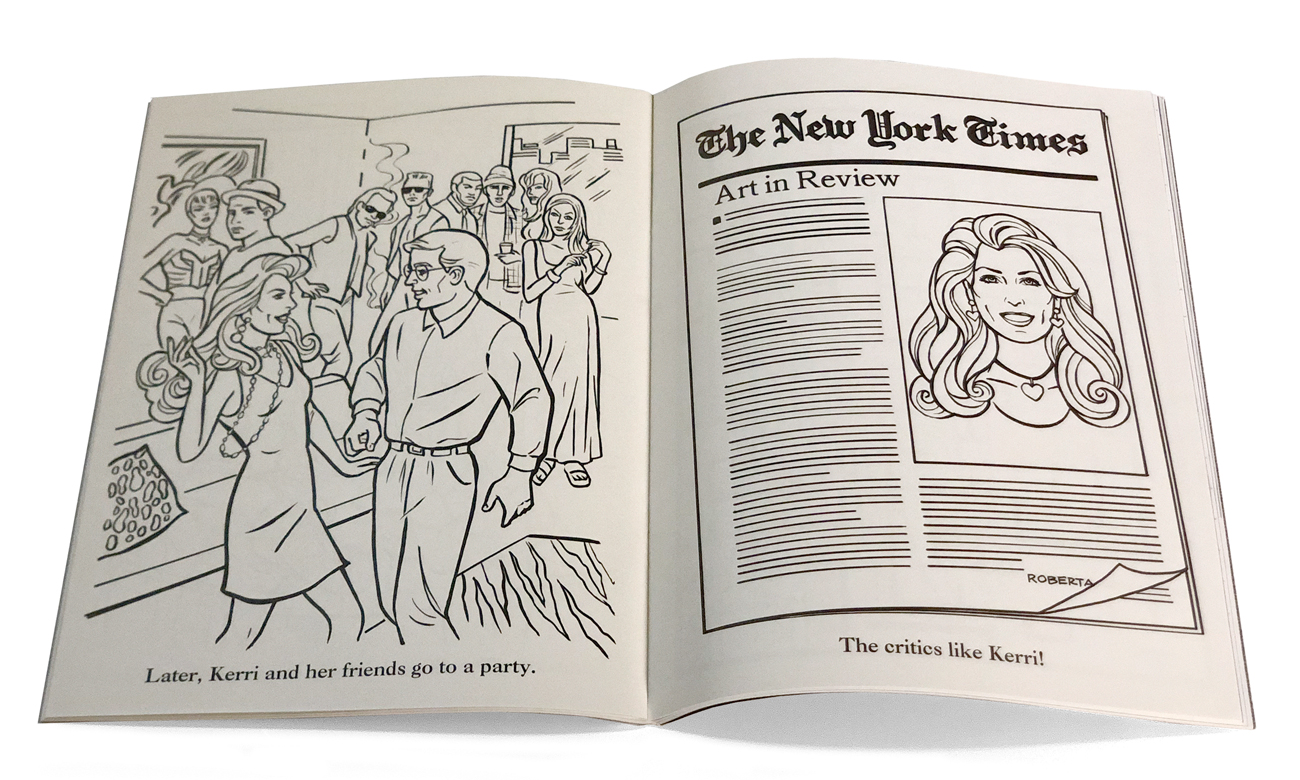
In 1992, I cofounded, coedited (with Pamela A. Ivinski), and designed the contemporary art zine publicsfear. Its three issues, published over the ensuing year and a half, featured artists’ projects, interviews with artists, writers, and filmmakers, and critical essays on topics ranging from Andy Warhol’s “society period” paintings to WFAN Sports Radio. Each issue closed with a themed invitational, for which a particular subject (“Emergency Room Stories,” “What Song Makes You Cry?”) was addressed by a wide variety of respondents from the art, film, and literary worlds.
One of a group of small-press art and culture periodicals (such as Documents, ACME Journal, and Open City) from the early ’90s, Publicsfear’s particular editorial focus was on anxiety-provoking issues of the period, including the (first) Iraq war, the AIDS epidemic, and growing economic disparities in the US. In our editors’ note for the first issue, Pamela and I wrote, “Self-consciousness is our greatest virtue, and our greatest vice [....] Unsure how to proceed, yet unwilling to give in completely to cynicism, we parade our insecurities in front of anonymous audiences.”
Publicsfear received prominent mentions in Vanity Fair, The New York Times, Parachute, and The Village Voice (in which columnist Robert Atkins called it “an elegant and engrossing new art mag [which] is my idea of what Tina Brown’s New Yorker should be”). We published three issues between 1992 and 1994; these included contributions from Rirkrit Tiravanija, Andrew Bush, Douglas Coupland, Alix Pearlstein, Gareth Jones, Daniel Clowes, Elizabeth Peyton, Matthew Higgs, Meg Cranston, Sean Landers, Hilary Lloyd, Philip-Lorca DiCorcia, Kathe Burkhart, and many other artists, writers, and musicians, a number of whom came to prominence in subsequent years.
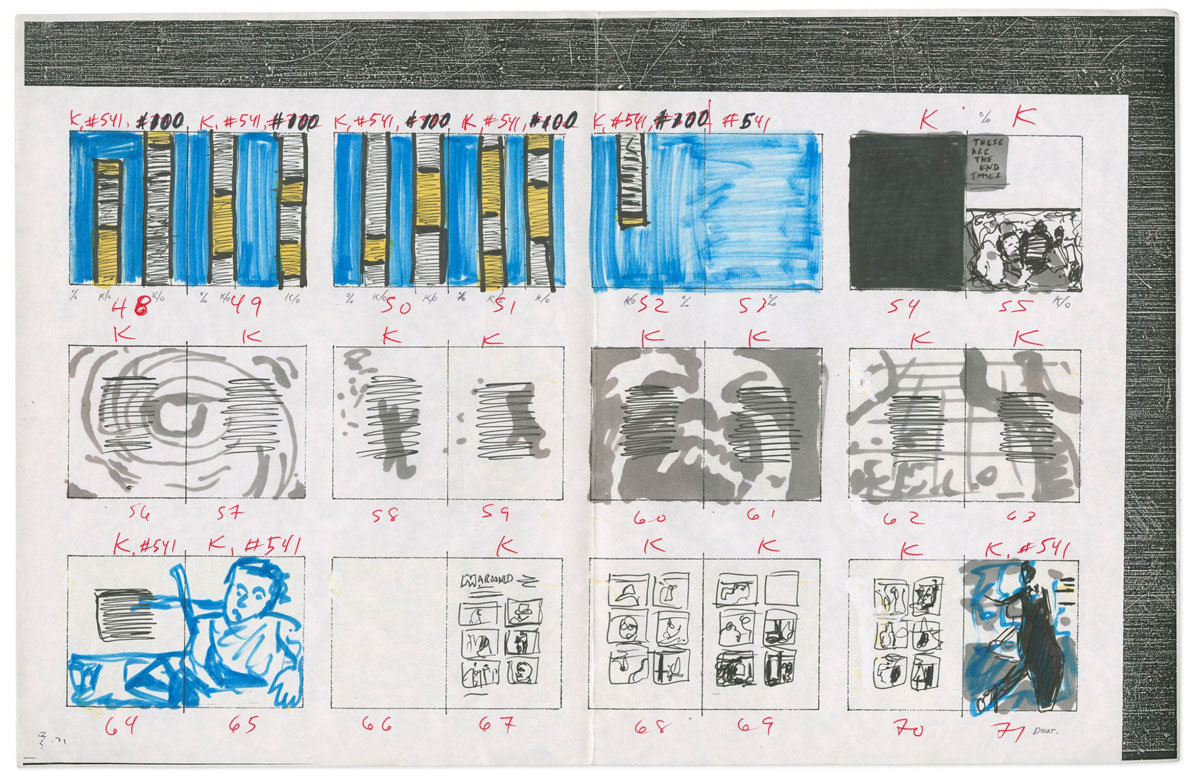
It’s worth noting that publicsfear was the first publication I ever designed. I had no training as a designer, so I was new to the world of mechanicals and paste-up—still the norm in this period—and had virtually no understanding of the mechanics of the printing process. I was lucky to get advice from my colleagues at Print, where I was working as an assistant editor at the time—and even luckier to be afforded access to the magazine’s computers and Quark software to design the magazine after hours.
Related
Pamela A. Ivinski (1963–2018)
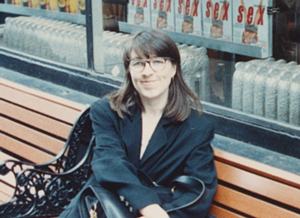
I met Pamela Ivinski in graduate school for art history and we became fast friends, and, eventually roommates when we both moved to NYC in the late ’80s. Pamela was one of those people you meet whom you quickly realize is going to introduce you to things—and to ways of thinking—that will change your life. Utterly conversant in critical theory—and able to apply it to any aspect of culture with facility and irreverence—she was also a voracious consumer of underground culture. She was going to see Nirvana and Soundgarden play in small clubs in NY well before the release of Bleach.
At some point, Pamela and I started talking about publishing a zine exploring our anxiety—and the anxiety, I think, of many of the creative people we knew hammering out an existence in New York in that era. In the end, we were able to publish three issues before we ran out of money. Pamela contributed to all three—in the first, she wrote an incredibly prescient piece on WFAN sports radio—which she listened to every morning—examining the discourse of its male hosts and male fans as they came to terms—their own terms—with the Mike Tyson rape trail and the Anita Hill hearings. In Publicsfear 2, she wrote a piece about Madonna's 1992 book Sex that, 30 years later, still feels confrontational and discomfiting. And in the third issue, her interview with Kim Gordon was so good Sonic Youth asked us for permission to reprint it in the liner notes of one of their albums.