Published by Mirrorical Books, 2024. Format: Softcover book with glassine insert, 8.5 x 8.5 inches, 66 pages.
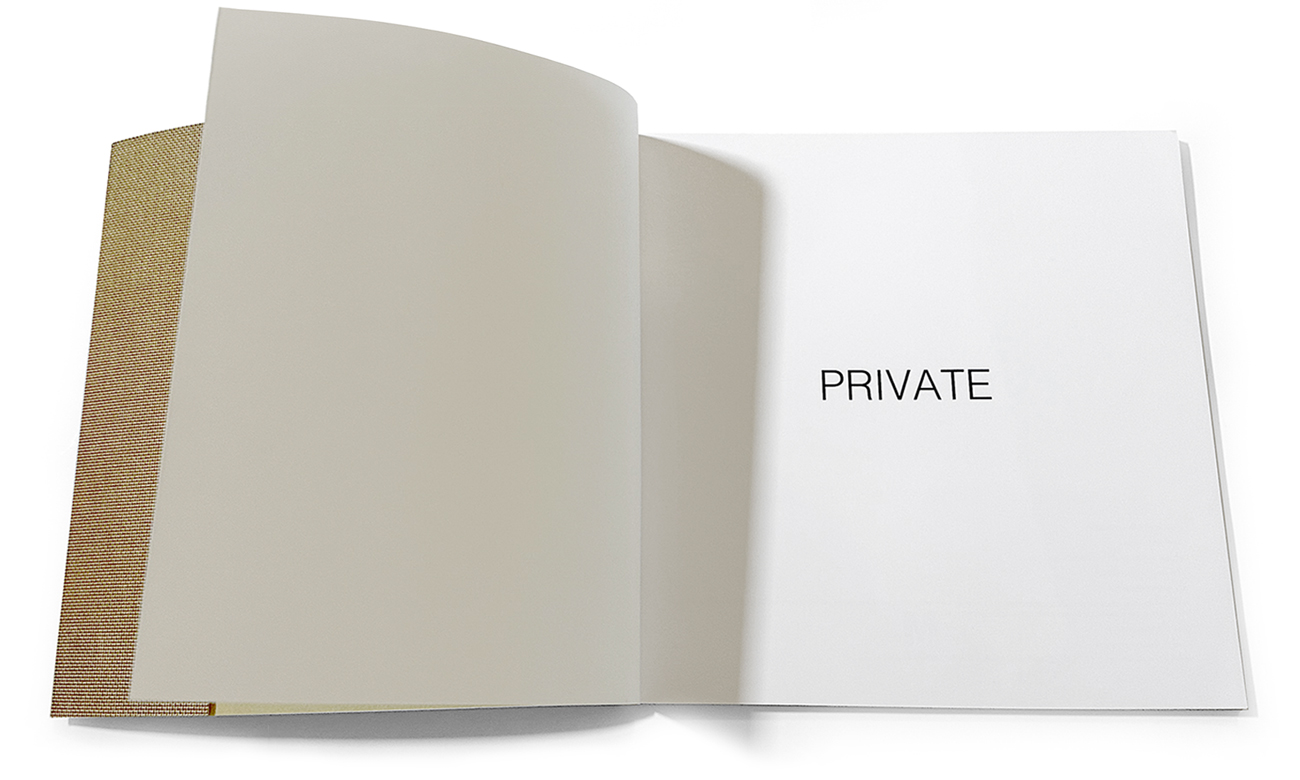
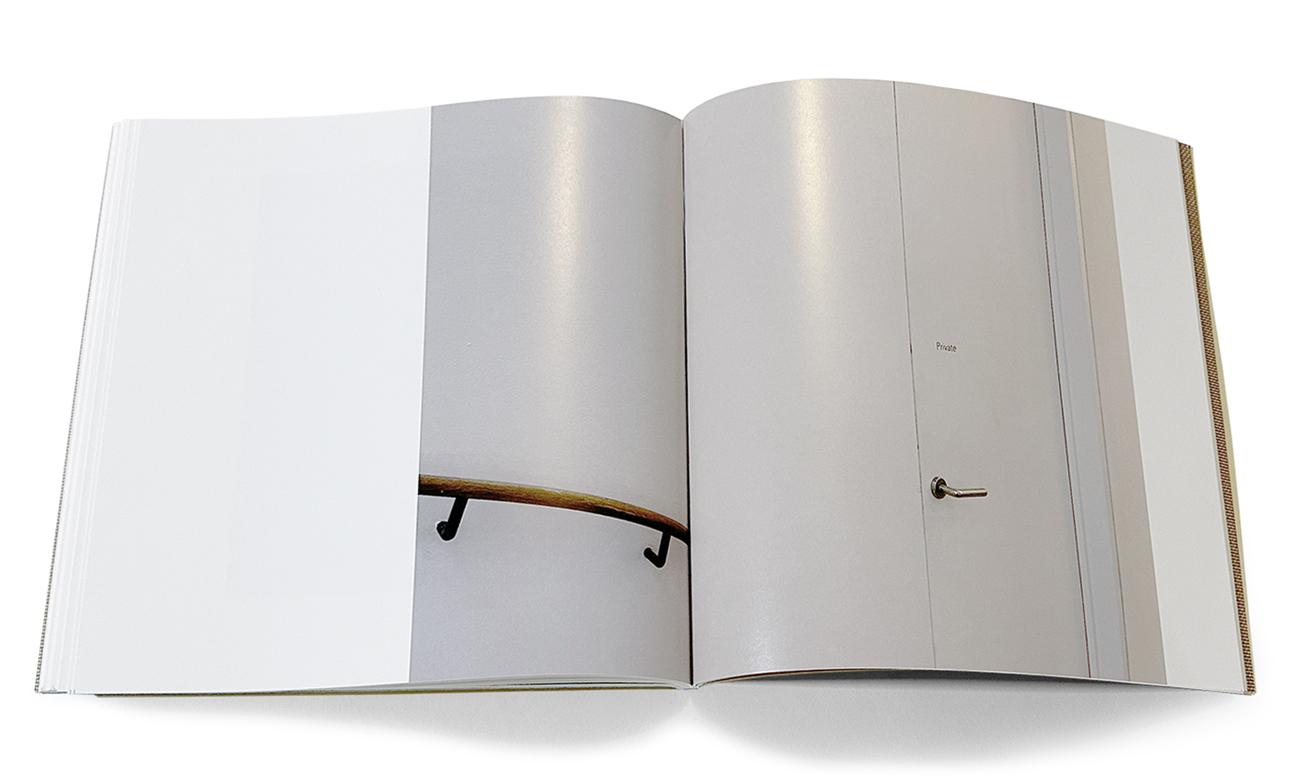
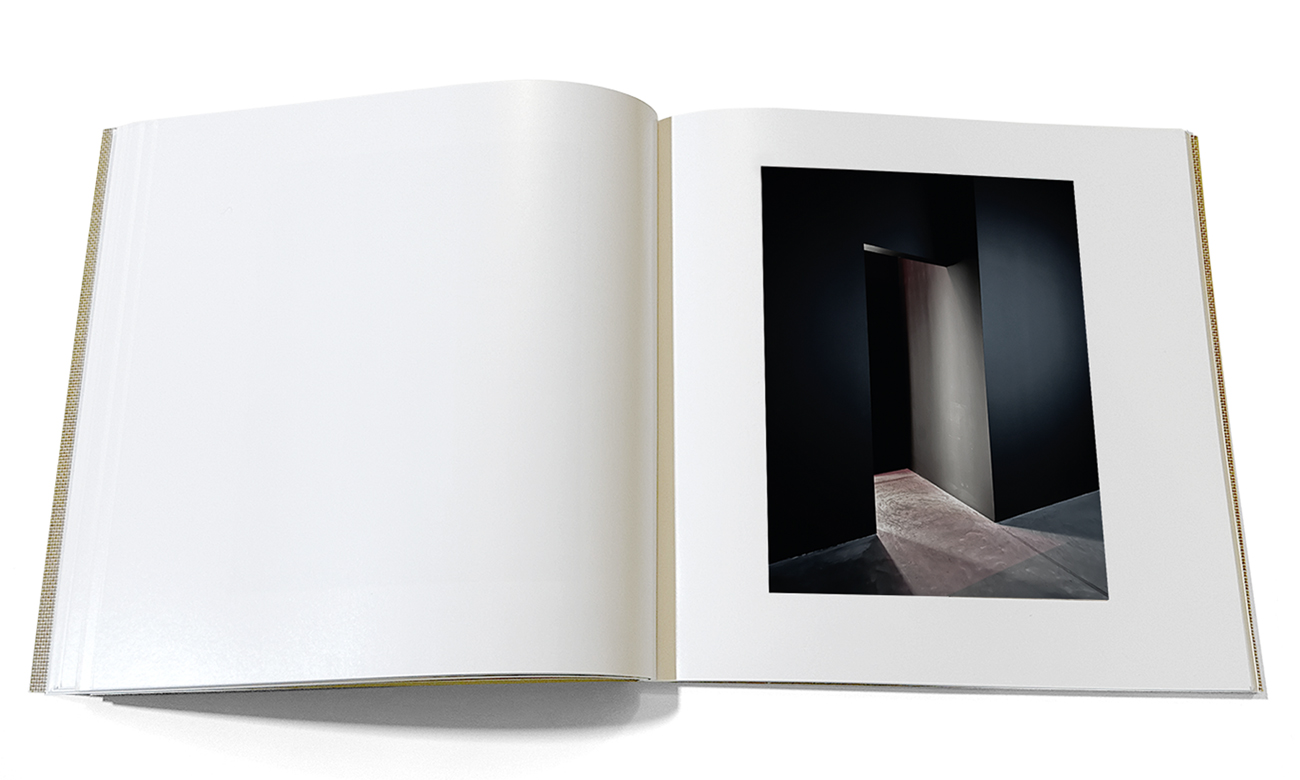
“Without trespassing, Lippy gestures toward the banal, if not insidious, forces behind the artwork on display: commerce and bureaucracy. His photographs strip the galleries of identifying information, coalescing into an expanse of gatekeeping white space.”—Artbook
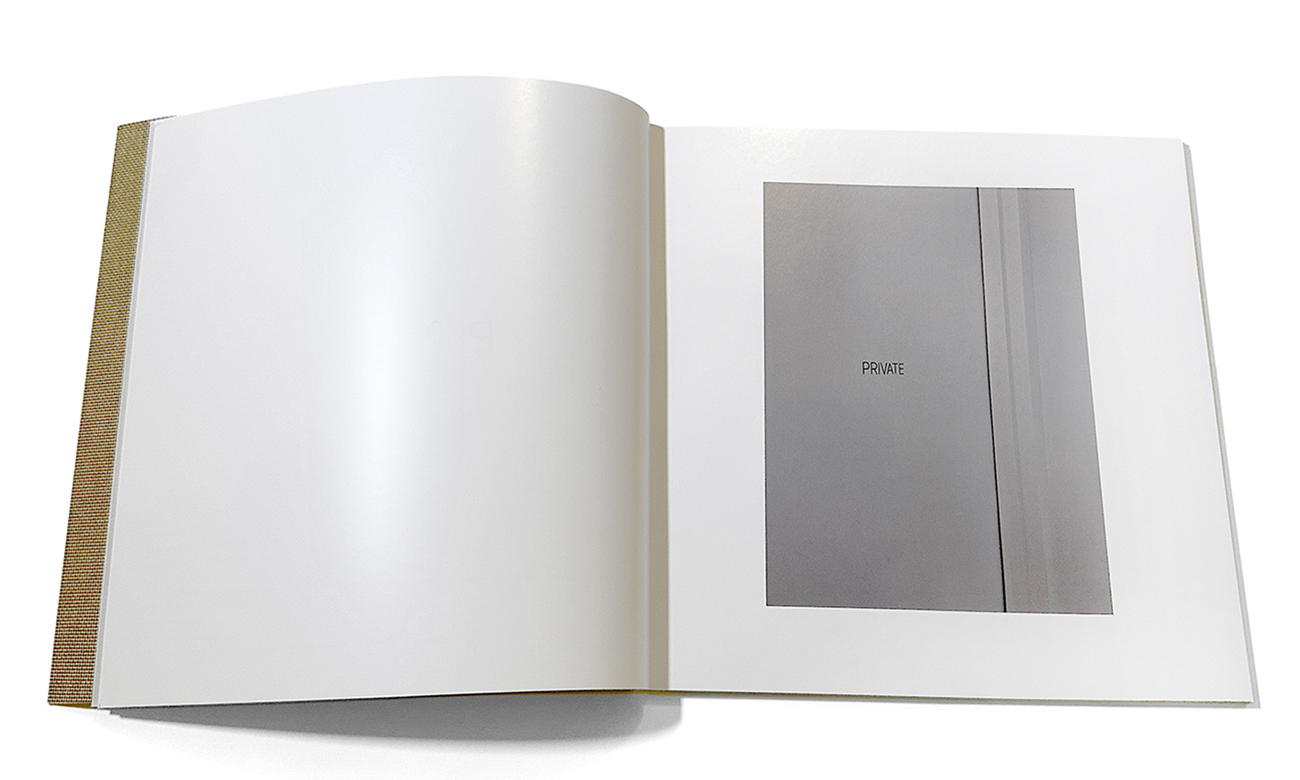
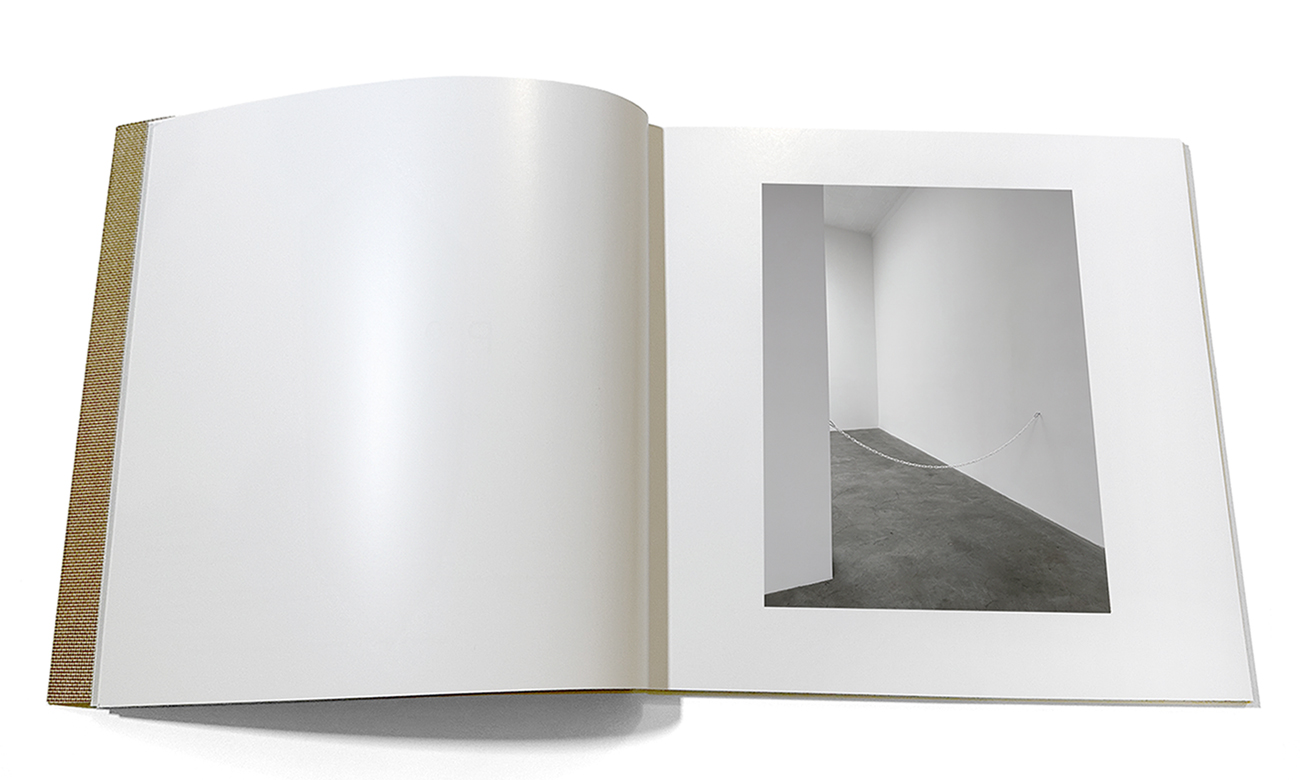
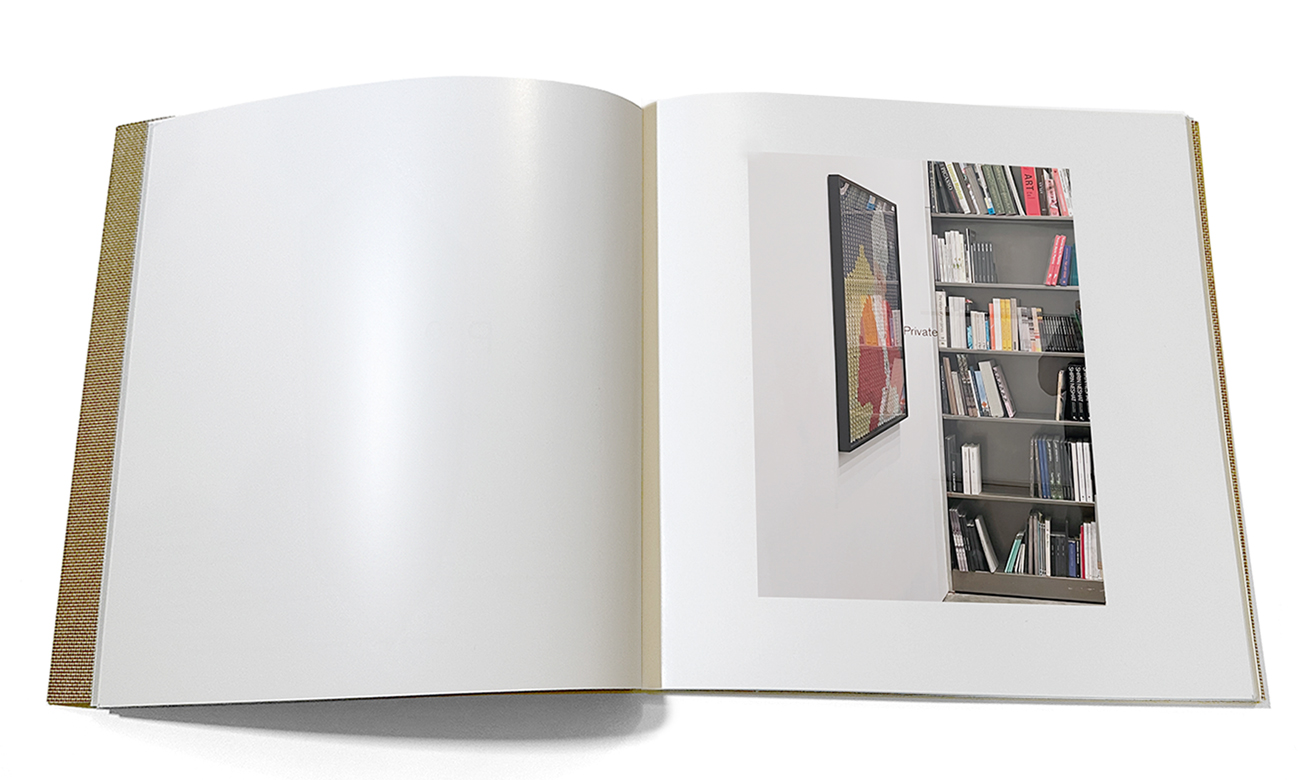
In 2019, I noticed a small “PRIVATE” sign on a door in a gallery in Chelsea I’d been to many times before. I’m not sure why on that particular day it finally caught my eye, but I decided to take a surreptitious photograph of it. In the years since, I’ve made it a point to locate similar off-limits areas—usually explicitly labeled as “Private,” but sometimes demarcated by a velvet rope, or a barely discernible suspended wire—and I’ve continued to photograph them in dozens of galleries in New York and Los Angeles. Occasionally I’ll be stopped by a gallery guard or assistant and told to “only photograph the artworks” (this happened at Gagosian uptown a few years ago), but usually I have been left to my own devices.
I am attracted to these areas partly because they convey that opacity and exclusivity of the market in an uncharacteristically obvious—and perhaps even unwitting, way. The word “private” suggests a barrier not to be crossed by, well, the public. Velvet ropes evoke the trappings of a VIP room in a club or restaurant—meant to keep out the “Joe Schmoes” who don’t belong in these rarifed spaces. But examining the art world’s “strategic snobbery” (in Bianca Bosker’s words) is not the only reason I take these photographs. “Private” and “public” have become, in the influential words of legal scholar Duncan Kennedy, “loopified.” The boundaries between the two are indistinct and blurred in a capitalist system—a process that has been turbocharged with the advent of social media, in particular, in the past decade.
In that sense, I view these images as memorials to the very human, and quaintly dated, desire to claim particular spaces for our own purposes. There may be no such thing as “real” privacy anymore. But these demarcated spaces suggest that people with something to hide—or maybe just something to sell—will never stop trying to claim otherwise.
The book launched at a related event and exhibition at The Future Perfect’s Goldwyn House on March 1, 2024.